

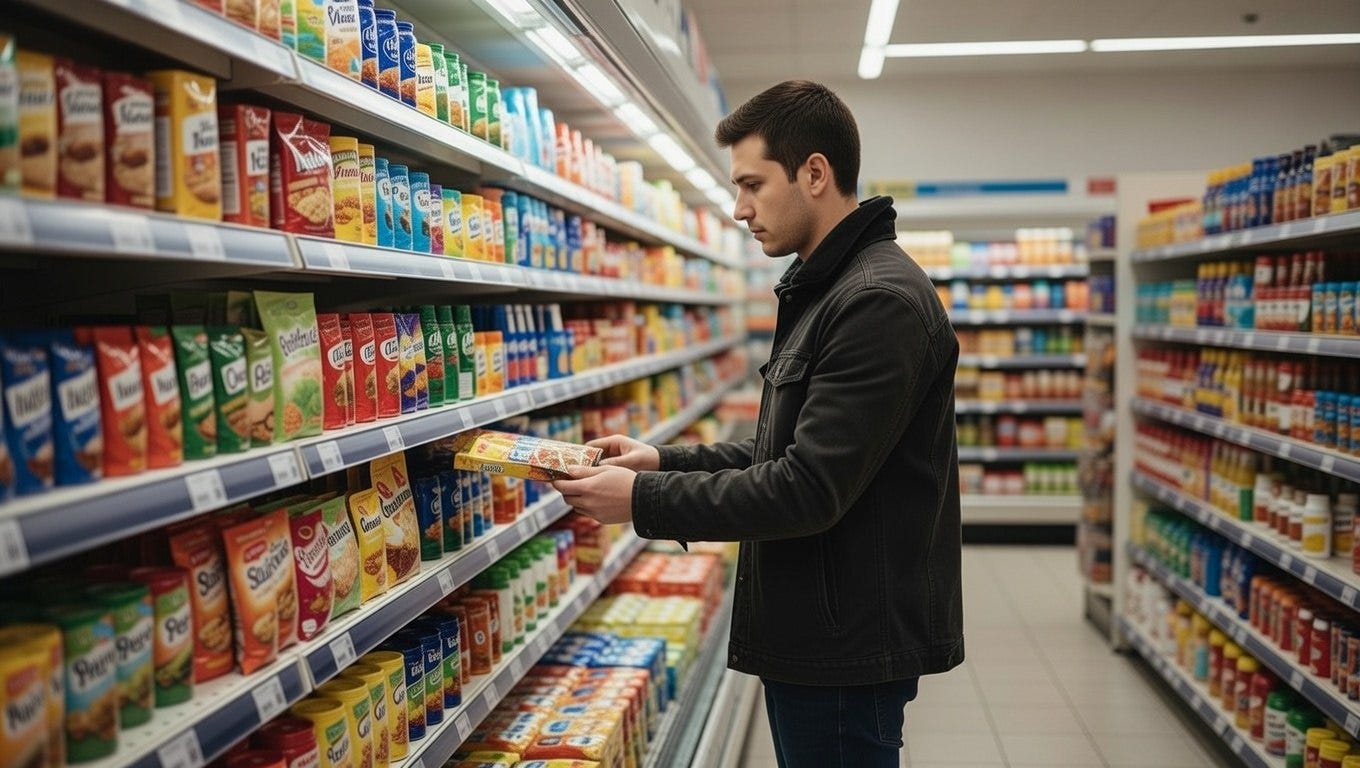
It’s everywhere — the tiny sprout icon on shampoo bottles, the “green” badge on your favorite sneakers, the promise of biodegradable everything. You might think walking down the aisle is like strolling through a meadow. In reality? Sometimes it’s more like navigating a maze of smoke and mirrors.
“Eco‑friendly” sounds good. Feels good. But here’s the kicker: in most places on earth, that phrase doesn’t mean anything specific at all. It’s marketing magic dressed up in leaves and pastel greens — and if you’re not careful, you’re buying a story, not sustainability. 🌍💸
Let’s be honest: most of us want to make choices that help the planet. But the marketplace isn’t always on the same page. So let’s peel back the glossy surface and look at what’s real — and what’s just clever branding.
The Great Green Mirage: Why “Eco‑Friendly” Can Be Meaningless
“Eco‑friendly” is what lawyers call a vague claim. It doesn’t have a single legal definition in most countries, and companies can slap it on packaging without proving a thing. 🌿✨
This is greenwashing — when environmental benefits are exaggerated, overstated, or entirely made up to make a product seem more sustainable than it really is. It’s not a conspiracy. It’s just good old marketing economics: if you can make customers feel better about spending more, why not try?
And sadly, even major brands get caught. Advertising watchdogs in the UK recently banned “green” ads from household names like Nike and Lacoste because their claims weren’t backed by clear evidence. It’s not a trend; it’s a crackdown on fuzzy truth made for consumer appeal. 📉👟
Red flags are everywhere:
👉 Product boxes plastered with leafy green imagery.
👉 Labels that scream “natural” or “planet‑friendly” without clear context.
👉 Claims that highlight one tiny eco benefit while glossing over huge environmental impacts elsewhere.
That’s not sustainability — that’s storytelling.
Greenwashing Tactics: How Brands Blur the Lines
Here’s how the illusion works — because once you see it, it becomes hard to ignore 👀:
1. Vague or Feel‑Good Language
Words like “eco‑friendly,” “green,” or “natural” can be slapped on without standards. They sound great but tell you nothing specific about environmental benefit.
2. Designed to Look Real
Some companies create their own “eco seals” that mimic official badges. They look legitimate — but there’s no independent verification.
3. Irrelevant or Limited Claims
A product might tout “biodegradable packaging” but say nothing about actual recyclability, carbon footprint, or sourcing. It’s the classic “sweet spot distraction.” 🍬
4. Hidden Trade‑Offs
Highlighting one eco trait (like recycled material) while ignoring massive disadvantages (like toxic chemicals or high emissions during production) is a master class in tricky messaging.
This is greenwashing by design — not accident.
Spotting the Real Deal: Tools for the Savvy Shopper 🔎
You don’t need a PhD in sustainability. But you do need a checklist — and here’s the one that actually works:
✔ Look for Third‑Party Certification
The best sign you’re dealing with something real: an independent verification from a respected organization. Examples include:
🌱 USDA Organic – strict rules on farming and additives
📦 EU Ecolabel – lifecycle analysis and third‑party review
🌍 Fair Trade Certified – social and environmental standards
⚡ Energy Star – energy efficiency backed by government metrics
These badges mean someone else checked the work — not just the marketing team.
✔ Transparency Is Key
Real eco‑friendly products often share specific data: supply chain info, life cycle assessments, or clearly defined sustainability goals. If there’s no detail behind the slogan, that’s a red flag.
✔ Beware of Imagery That Doesn’t Add Up
Pictures of pristine forests or happy animals don’t guarantee sustainability. They sell feelings — not facts. 🍃📸
✔ Check the Whole Lifecycle
Think beyond the label:
🔄 How was it made?
🚚 How far was it shipped?
♻️ Can it be reused or recycled?
If the answers are hidden or limited to one piece of the puzzle, you might be buying smoke instead of substance.
Your Turn: Act Like a Smart Consumer
Here’s the part where you make a difference.
Ask yourself these questions before you put something in your cart:
😕 What exactly makes this product “eco‑friendly”?
🔍 Is there verifiable proof behind this claim?
📜 Can I find independent certification or data?
And if the answer is “I’m not sure”? That’s your cue to dig deeper — or walk away.
Because sustainable choices shouldn’t require a detective degree. 🕵️♂️🌱
Also read: 6 Clever Tricks to Avoid Greenwashing When Shopping
Final Thought: Demand Better, Expect Better
We’re living in an era where sustainability should be a given, not a luxury label. And consumer voice matters. When we look past the spin and reward brands that are transparent and accountable, we shift the entire market.
So keep asking questions.
Keep demanding real proof.
Don’t settle for pretty packaging.
Because the planet isn’t playing marketing games — and neither should you.