

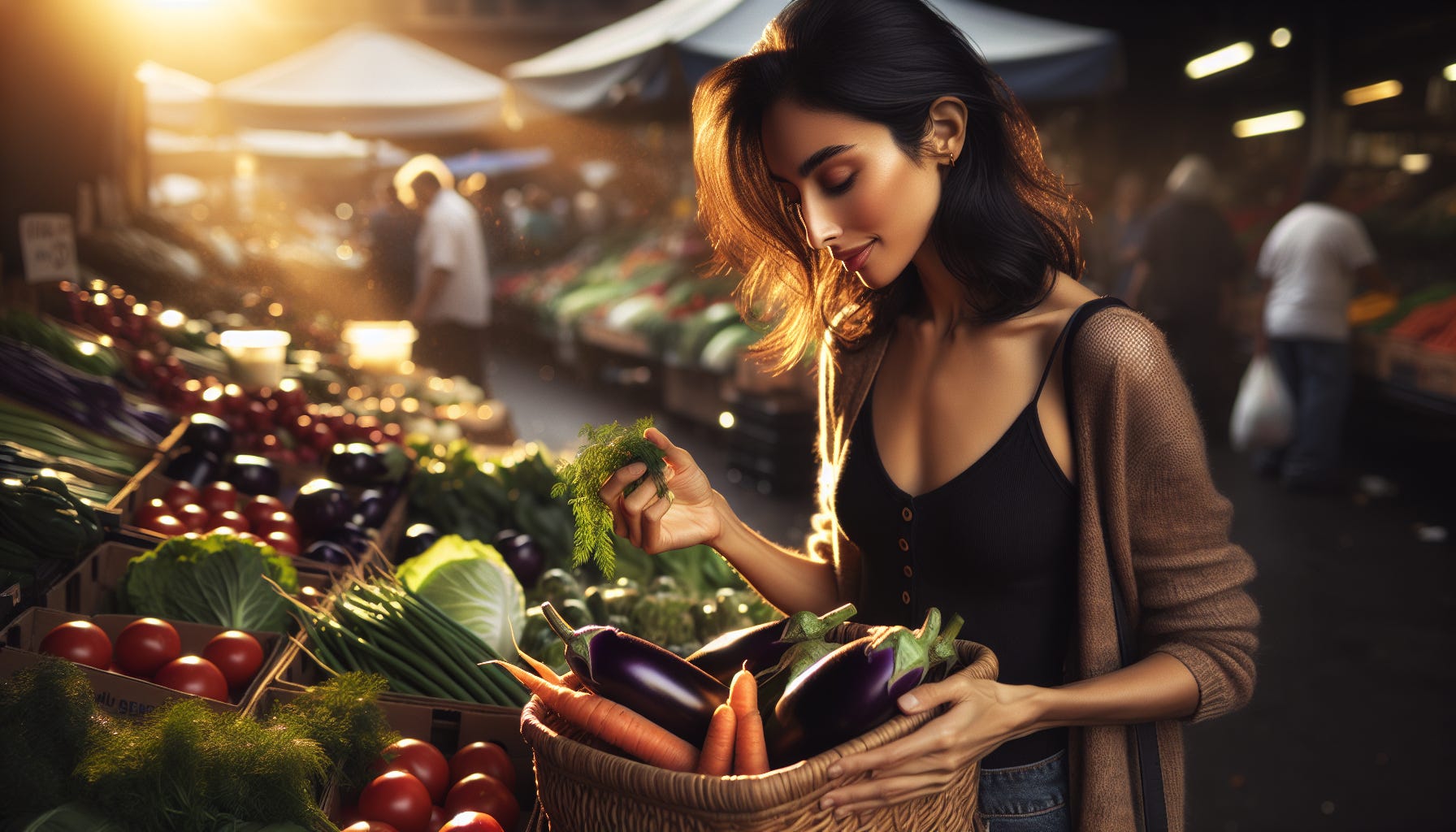
Your wallet is screaming. I get it.
Food prices in January 2026 were 2.9% higher than in January 2025, and if you go back five years, they’re up about 25%. But here’s the twist that might surprise you: those painful grocery receipts 💸 aren’t just teaching us about inflation—they’re accidentally pushing us toward the exact kind of eating habits our planet desperately needs.
I’ve been tracking food prices obsessively since they started their relentless climb, and something fascinating is happening.
82% of consumers modified their shopping behaviors in 2025, with the most common adjustments being seeking sales and discounts, switching to cheaper brands, and reducing nonessential purchases. What they don’t realize is that many of these money-saving strategies are also planet-saving strategies.
Think about it: when beef prices make you wince and USDA predicts beef and veal prices will increase by 5.5% in 2026, suddenly that lentil curry recipe your friend shared doesn’t look so weird. When seasonal vegetables are the only affordable option, you’re accidentally eating like your great-grandmother did—locally, seasonally, and sustainably 🌱.
The hidden cost of our current food system
Here’s what the price tags aren’t telling you.
According to the United Nations Food and Agricultural Organization (FAO), meat and dairy account for around 14.5% of global greenhouse gas (GHG) emissions. But those environmental costs? They’re invisible at checkout.
Producing meat and dairy contributes significantly to greenhouse gas emissions, deforestation, and water usage – yet these costs are not accounted for in their price tags. Meanwhile, meat and dairy subsidies are artificially lowering the price of animal-based products, promoting their consumption and raising greenhouse gas emissions beyond sustainable levels, with subsidies disproportionately favoring the meat and dairy industries.
The math gets wild when you dig deeper: The least ecologically burdensome red meats, in terms of greenhouse gas emissions, are still higher than any plant-based food compared for the same 100g intake of protein.
Plant-based replacements for each of the major animal categories in the United States can produce twofold to 20-fold more nutritionally similar food per unit cropland.
Typical Iowa vegetable production produced less than half the emissions and used 10% of the water than that of conventional food systems.
The irony? We’re subsidizing the most expensive foods (environmentally speaking) and then wondering why our grocery bills hurt. It’s like paying to punch ourselves in the face 🤦♀️.
Why your grocery budget is becoming your sustainability coach
Remember when organic and local felt like luxury buzzwords for people with trust funds?
The average weekly grocery spend is now $170 – which is up significantly from 2020 when the average household spent $120 on groceries per week. But something interesting is happening with these elevated prices.
Plant-based consumers, particularly vegan, are associated with lower food expenditures compared to omnivorous consumers. In fact, plant-based consumers are shown to spend less than all other consumers assessed. Wait, what? The “expensive” sustainable foods are actually... cheaper?
Here’s the breakdown that might blow your mind:
Seasonal shopping means buying when supply is high and prices are low 📉
Plant-based proteins like beans, lentils, and tofu cost a fraction of meat
Reducing food waste (because you’re now tracking every dollar) cuts your bill by 30-40%
Cooking at home becomes essential when restaurant prices soar
Farmers markets and local food stands often have the best prices. Shop for items in season and buy only what you need. Your budget is literally forcing you to shop sustainably.
What’s your biggest grocery sticker shock lately? I’d bet it’s making you question some food choices you never thought twice about before.
The accidental environmentalists
In 2026, overall food prices are predicted to rise 3.1%, but here’s where it gets interesting. The most expensive items are also the most environmentally costly ones.
Sugar and sweets are predicted to rise by 6.7% in 2026, while fresh vegetables are predicted to increase by only 1.4%.
Your wallet is basically becoming an environmental GPS 🧭, steering you toward:
Seasonal eating: When produce is in greater supply, it’s sold at a lower price, which makes buying fruits and vegetables in-season the perfect money-saving hack
Local sourcing: When food doesn’t have to travel long distances, it lessens the reliance on refrigerated transport, which is an energy-intensive process
Plant-forward meals: Because beans cost $1.50 per pound while beef costs $8+ per pound
Reduced food waste: Every thrown-away carrot now feels like tossing cash in the trash
Plant-based meats generate 4.6 times more greenhouse gas than beans, and seven times more than peas, per unit of protein. So even if you’re not ready to ditch meat entirely, your budget is nudging you toward the most sustainable protein sources.
I love how life finds a way to teach us lessons we didn’t know we needed. Rising prices are accidentally creating a generation of climate-conscious eaters who started out just trying to save money 💰.
Smart strategies that save money AND the planet
Let’s get practical. Here are the moves that’ll make both your bank account and the Earth happy:
Master seasonal shopping 🌿:
Local produce that’s in season is generally cheaper than out-of-season options. It’s also usually at its peak in both nutrients and flavor
Track what’s cheapest each month and build meals around those ingredients
Eating seasonally means you get the best value produce
Embrace the power of plants 🌱”
Consider adding more meatless meals to your menus with tasty bean-based dishes. Beans are inexpensive and a great source of protein and fiber
Try the “meat reduction“ approach: cut portions by half and bulk up with vegetables
Eating less meat may be a good way to save money. These are all very inexpensive, nutritious, and easy to prepare
Plan like your budget depends on it 📝:
Planning ahead can save time and money, not only at the store, but also during the busy work and school week
Reducing food waste and using what’s on hand can save both time and money
Inventory your pantry before shopping to avoid duplicates
Think bulk and preservation 📦:
Buying some foods in bulk quantities can save you a lot of money. Grains, such as brown rice, millet, barley, and oats, are all available in bulk
Buy larger quantities of produce when it is in season at the peak of quality and lower prices then preserve it
The beauty is that every dollar you save this way is also a win for the planet. It’s like double rewards points, but for your conscience ♻️.
The bigger picture: food democracy
Here’s what really gets me fired up about this whole situation.
This challenge underscores the need for a fundamental change in the food system that requires policies and actions to create a culture in which healthy and sustainable food choices are accessible and affordable to everyone.
We shouldn’t need a financial crisis to eat sustainably.
In the European Union (EU), livestock farmers receive 1,200 times more public funding than those producing plant-based or cultivated meat alternatives. The whole system is backwards 🔄.
But while we’re waiting for policy changes, rising prices are democratizing sustainable eating in unexpected ways:
Community gardens are popping up as people seek affordable fresh produce
Food swapping groups help neighbors share surplus harvests
Community-supported agriculture (CSA model) allows the consumer to subscribe to the harvest of a certain farm, receiving either a weekly or bi-weekly box of produce
Batch cooking communities share recipes and strategies
Change can start in your local township by shopping for local produce. Your individual choices are part of a much bigger shift happening right now.
Your next sustainable (and affordable) meal
So what’s the takeaway from all this economic chaos? Your constrained grocery budget might be the best sustainability coach you never asked for 💡. Every time you choose the seasonal vegetables, skip the expensive processed foods, or try a plant-based recipe because it’s cheaper, you’re voting with your wallet for a more sustainable food system.
The more you focus on purchasing local, unprocessed food, preparing meals at home, and reducing waste, the healthier and tastier your diet will be, the better you’ll feel, and the more money you’ll save.
What if, instead of seeing rising food prices as just another financial burden, we saw them as an opportunity to align our eating habits with our values? What if this is exactly the push we needed to discover that sustainable eating doesn’t have to be expensive—it just has to be smart?
What’s one food habit you’ve changed recently because of prices that turned out to be better for the environment too? I’d love to hear how your wallet is accidentally saving the world, one grocery trip at a time 🌍.
Also read: 10 Sustainable Food Hacks to Eat Greener Without Breaking the Bank