

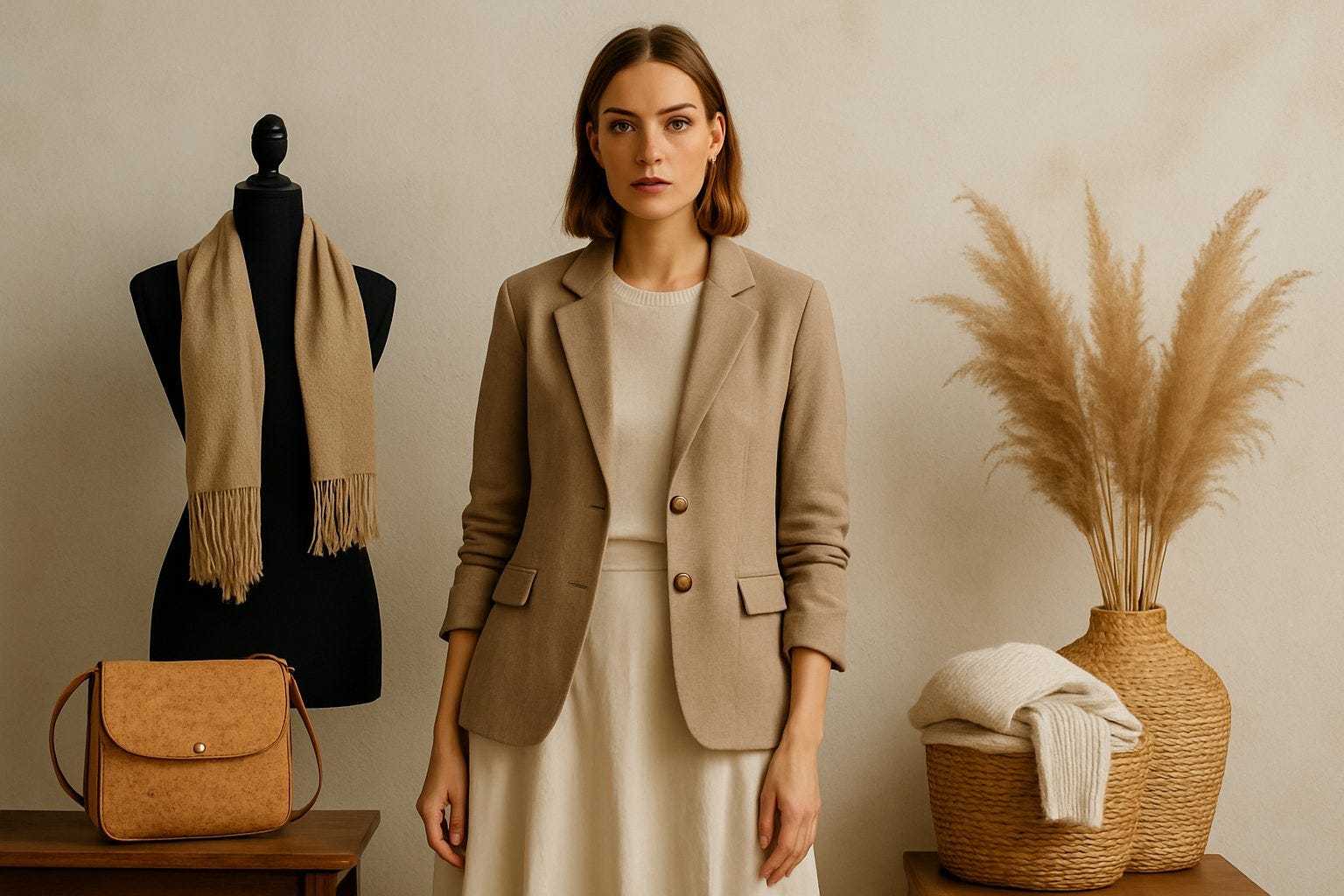
Let’s be honest: when you hear “sustainable fashion,” visions of shapeless beige tunics bundled into hemp bags might dance across your mind. But sustainable doesn’t mean boring. It doesn’t mean “I look like a monk in a sandal-wearing commune.” Far from it. I think that striking a balance between eco-consciousness and style is not only possible—it’s the new power move.
The fashion industry still accounts for a whopping 10% of global carbon emissions and uses mammoth amounts of water. So yes: every piece you buy (and every piece you keep) matters. Let’s talk about eight practical, stylish, sustainable steps you can adopt—ones that make you look sharp, not ascetic.
1. Choose Better Materials (without looking like an organic farm)
Start with fabrics. Materials matter—they tell a story of ethics, craftsmanship, and environmental footprint. The Textile Exchange reports that natural-fibre garments (like cotton, linen, wool) are easier to recycle and generally more durable.
But don’t grab a sack just because it’s “eco.” Go for something you’d actually wear—with shape, colour, texture. Sustainable fibres now come in stylish cuts and elegant finishes. Brands are sourcing regenerative cotton, biodegradable fabrics, even mushroom leather.
Tip: Next time you shop, pick one piece made of responsible material—let’s say a linen blazer or an organic cotton tee—and build around it.
2. Invest in Quality → Wear It Like You Mean It
Here’s a little secret: buying fewer pieces that you actually love trumps hoarding trendy items that wilt after one season. The capsule-wardrobe idea is alive and well in sustainable fashion.
When you invest in quality—good stitching, timeless design, neutral colours—you’ll wear it more. Repeated wear = lower per-wear impact. Also: it gives you a wardrobe of confident classics, not eyeballing-the-discount-rack panics.
Tip: Pick one investment piece this month—maybe a well-crafted blazer or a versatile dress—and commit to wearing it at least 20 times. Your inner minimalist will wink at you.
3. Buy Less + Repair More (yes, it’s chic)
If you buy less, you stand out. If you repair more, you’re a style rebel. The wise folks at Scientific American advise washing less frequently, using cold cycles, and repairing when needed instead of replacing.
Think of it this way: a repaired hem or replaced button becomes a story. It says you care. Also: that vintage-jacket with the patched elbow looks intentional. Like you meant to do it.
Tip: Grab a sewing kit (yes, right now) or find a local tailor. Next time you see a little wear-and-tear, fix it instead of tossing it.
4. Choose Timeless Over Trendy (because trends fade faster than you change your mind)
Trends are fun. But they’re also the nemesis of sustainability. The faster a piece becomes “out,” the sooner you ditch it. According to a recent blog, circular design and timeless pieces are key in 2025’s sustainable-fashion push.
So skip the “one-season wonder” dresses and flashy prints that will feel outdated by next month. Instead, pick silhouettes and colours you’ll still love in two years. Works with attitude.
Tip: Think “vintage cool” rather than “fresh off TikTok.” A clean cut, nice fit, and a smart colour will serve you better than something every influencer wore last week.
5. Go Pre-Loved, Swap, Rent (and still look like you got it new)
Yes, sustainable means reuse. But it doesn’t mean you’ll look like someone’s hand-me-down. Many high-end brands and platforms now offer rental and resell options. This aligns with the circular fashion model: fewer garments made, more garments reused.
Wearing something pre-loved has two perks: you score something unique, and you slash the climate cost of new-item production. Win-win.
Tip: Try a rental for a special-event piece (say a blazer or handbag). If you love it, maybe invest; if not—out it goes.
6. Check the Supply Chain (yes, you’re doing detective work)
Sustainable style plays detective: who made the piece, where are the materials from, what are the working conditions? The Guardian notes that transparency is key—brands that reveal their specifics are less likely to be green-washing.
Look for certifications or meaningful disclosures. It’s not about being perfect; it’s about choosing brands that make an effort. Your wallet’s voice counts.
Tip: Next time you buy, check just one thing: where is this garment made? If you can’t find out quickly—consider skipping it.
7. Care for Your Clothes (and your ego)
Your outfit’s lifespan depends on how you treat it. Simple actions—wash less, use cold water, air-dry, avoid excessive dry-cleaning—reduce textile fatigue and shrinkage. The WinS Solutions blog outlines these nice little moves.
So yes—take care of your pieces like you take care of your favourite coffee mug. It pays off.
Tip: Create a “wardrobe care” habit: once a month, inspect your key pieces. Are there loose threads? A missing button? Fix it. Pride in your clothes = longer life.
8. Style With Purpose (make a statement, not just a garment)
Sustainable fashion isn’t just about what you wear—it’s how you wear it. Whether you’re opting for an up-cycled piece or a responsibly made blazer, own it. Confidence is eco-chic.
By styling thoughtfully—think layering, pairing unusual textures, making one piece the star—you show that sustainability is part of your identity. L’Envers gives some stylish cues on this.
Tip: Try this: pick one “sustainable piece” this week and build a full outfit around it. Take a photo. Tell a friend. Let it be your conversation piece.
Also read: 7 Stylish Sustainable Fashion Tips (Without Sacrificing Your Look)
Final Thoughts
Sustainable fashion does not equal monk-robe minimalism. It means thoughtful choices, stylish investments, and small habits that add up. Each garment you choose with intention becomes part of your personal brand—one that says: “Yes, I care. And I look good doing it.”
If you’re ready to shift your wardrobe (and your mindset) toward sustainable-style supremacy, start with just one of these tips. Then another. Then watch how your closet—and the planet—thank you.
Call to Action: Pick one tip from the list above. Apply it this week. Then come back and tell me—what did you try? How did it feel? Because good fashion is better when it makes you feel alive. 🌟